




Tulsa vs Suburbs: Build or Buy in 2025
Read More
.svg)
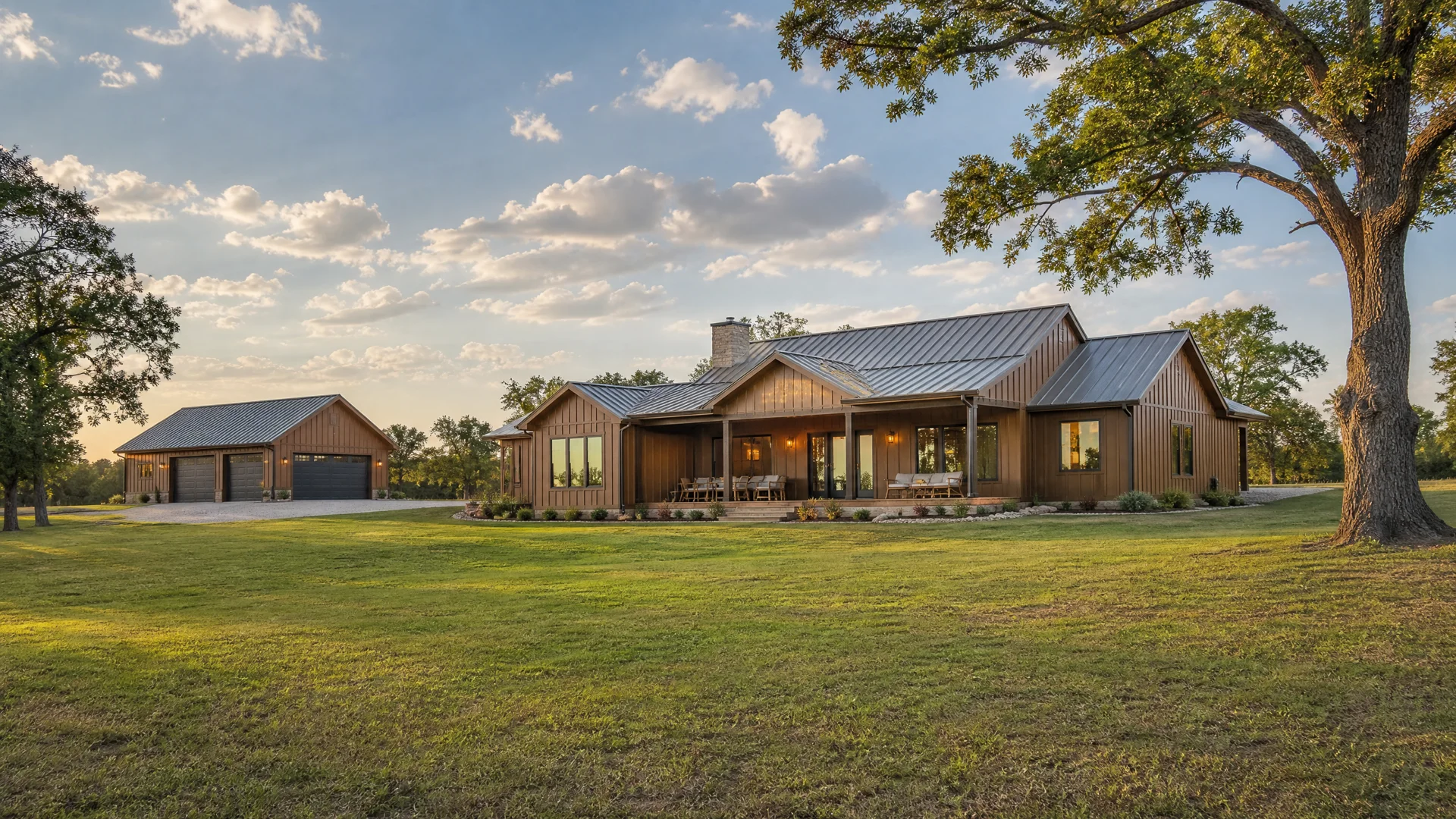
Owning land is a dream for many Oklahomans.
Maybe you've inherited family property, found the perfect acreage outside of town, or finally purchased that piece of land with incredible views.
Now comes the next question:
Can you actually build a home on it?
The answer is usually yes, but there are several important steps to understand before construction begins. Building on your own land is a little different than building in a neighborhood, but with the right builder and planning, it can be a smooth and exciting process.
Here's what you need to know.
Many people assume they have to build in a subdivision owned by a builder.
That's not true.
Several builders, including Envision Homes, can build on land you already own or help you build on property you're planning to purchase.
Whether it's five acres in the country or a single lot in a small town, building on your own land gives you the freedom to choose the location that fits your lifestyle.
Not every piece of land is immediately ready for construction.
Before building begins, you'll want to determine:
These questions help determine both the feasibility of building and the overall project budget.
One of the biggest differences between building in a neighborhood and building on rural land is utilities.
Depending on the property, you may need to coordinate:
Some properties already have utilities at the road, while others require new service lines to be installed.
The distance from existing utility connections can affect overall costs, so it's important to understand this early in the planning process.
If public sewer isn't available, the answer is usually yes.
Most rural properties require a septic system.
Before installation, the property typically needs a soil evaluation to determine the type and size of system that will work best.
The septic design depends on several factors, including:
A licensed septic installer can help determine the best solution for your property.
If rural water service isn't available, you'll likely need a private water well.
Well costs can vary depending on:
Many rural homeowners appreciate the independence of having their own well, but it's another item that should be included in your overall building budget.
In most cases, yes.
A survey helps establish:
A current survey can also help prevent costly surprises during construction. Visit our about page to learn more about how we guide buyers through this process.
One of the biggest reasons buyers choose to build on acreage is freedom.
You may have room for:
Instead of fitting your lifestyle into a neighborhood lot, you can design your property around the way you want to live.
One of the biggest misconceptions about building on your own land is that financing is impossible.
Fortunately, that's not the case.
Depending on your situation, financing may involve:
Because every buyer's situation is unique, it's important to speak with a lender experienced in construction financing early in the process.
This is one of the questions buyers ask most often.
The good news is you don't have to figure it all out by yourself.
An experienced builder works with trusted professionals throughout the process and helps coordinate many of the moving pieces involved in building on your land.
That may include:
Having an experienced team guiding the process can make building on acreage far less overwhelming than many buyers expect.
If you've always dreamed of waking up to open space, mature trees, beautiful views, or simply having more privacy, building on your own land may be one of the best decisions you'll ever make.
While there are additional considerations compared to building in a subdivision, many homeowners feel the extra planning is well worth it for the freedom and flexibility rural living provides.
The key is working with professionals who understand the process and can help you navigate each step with confidence.
Envision Homes builds throughout the Tulsa area and on privately owned land across eastern Oklahoma. Their experienced team can help coordinate everything from site evaluations and utility planning to construction and final walkthrough, making the process of building on your own property simpler and less stressful. Contact us today to get started.